

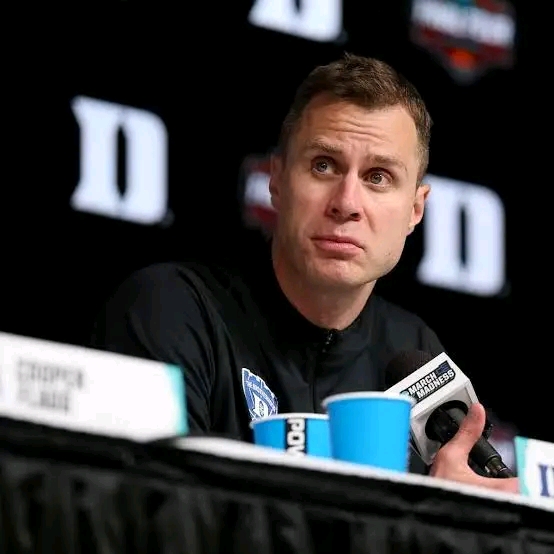
Something unmistakable is unfolding in Durham, and it’s becoming harder to dismiss with each passing game. Duke may be winning, but beneath the polished results, the actions of its star player are telling a deeper story — one written not in quotes or press conferences, but in possessions, decisions, and body language.
Every touch feels intentional. When the ball finds Duke’s star, the pace changes, the freedom increases, and the offense bends around his instincts rather than the structure on the whiteboard. Late in games, he’s calling his own number, waving off sets, and forcing defenses to react on his terms. It’s not reckless — it’s confident. And confidence like that sends a message.
Observers have noticed the pattern growing louder. After defensive stops, he pushes the tempo without waiting for instruction. In half-court situations, he reads mismatches and attacks immediately, sometimes bypassing the first option altogether. The message is subtle but clear: trust what’s working — and right now, that’s him.
The sideline dynamic has also shifted. Fewer extended conversations, more quick glances. When plays break down, the star rarely looks rattled, while the bench appears hesitant to rein him in. Teammates seem to recognize it too, spacing the floor instinctively and deferring in high-leverage moments, regardless of what was drawn up.
This isn’t rebellion. It’s evolution. But evolution can be dangerous when it moves faster than alignment. Jon Scheyer has preached balance, discipline, and collective execution, yet Duke’s biggest moments are increasingly defined by individual command. That contrast is impossible to ignore.
For now, winning keeps everything calm. But history has shown that when a star begins speaking this loudly through his play, it usually means something is coming — a shift, a showdown, or a defining moment that forces clarity.
Ignore it if you want. But Duke’s star is already telling you exactly how this season will be decided — one possession at a time.
