

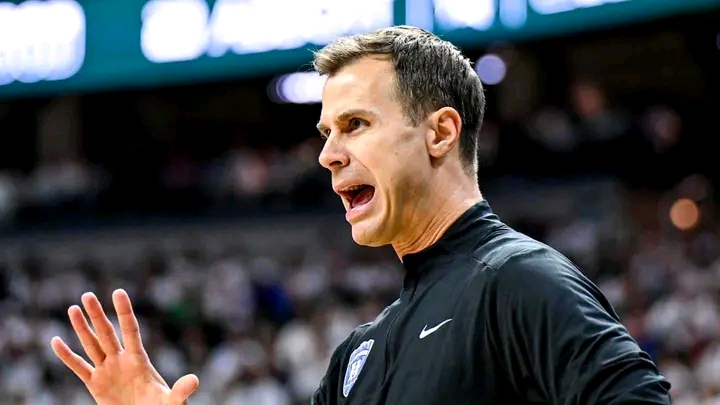
Jon Scheyer has proven one thing beyond debate since taking over at Duke — he can recruit with the best in the country. Five-star commits, NBA-level prospects, and top-ranked classes continue to flow into Durham, reinforcing Duke’s reputation as college basketball’s premier destination for elite talent. But as the roster grows more stacked, an unavoidable question is getting louder: is Scheyer being defined more by who he signs than by what he builds?
The shadow of Mike Krzyzewski still looms large, and with it comes an expectation that Duke’s success should feel inevitable. Scheyer’s recruiting dominance has helped maintain that aura, but it has also raised the bar in a way that leaves little room for excuses. When a team is this talented, the conversation quickly shifts from potential to performance.
Critics point to moments where Duke’s execution has stalled despite overwhelming talent advantages. Close games against lesser opponents, stretches of offensive stagnation, and late-game decisions have all been placed under a microscope. Fair or not, the presence of elite recruits removes the cushion most coaches are afforded during growing pains.
Supporters counter that Scheyer is still defining his coaching identity, blending modern spacing and player freedom with Duke’s traditional discipline. They argue that player development, chemistry, and long-term culture don’t always show up immediately in the win-loss column. Recruiting, after all, is only the first step.
Still, the question lingers because it must. At Duke, the standard isn’t simply collecting talent — it’s maximizing it. Scheyer’s teams are judged not just on wins, but on how convincingly those wins arrive and how prepared they look when pressure mounts.
The truth likely sits somewhere in between. Scheyer is an elite recruiter. That much is clear. What remains unanswered is whether his coaching imprint will eventually match the star power of his rosters. Until March delivers its verdict, that question won’t go away — and at Duke, it never does.
